What Goes into the Cost of a Business Website
Building a website for your business is one of those tasks that seems simple until you start looking into it. You might assume a few pages, some contact details and a logo are all you need. Then you begin to realise that a site has to work on phones, load quickly, rank in search results, and keep customer data safe. The price range you see online can be bewildering, with some quotes coming in at a few hundred pounds and others running into several thousand. Understanding what drives those figures helps you make a sensible decision for your own project.
Why there is no single price
Every business has different needs, and web projects reflect that. A simple brochure site for a local tradesperson might need only a homepage, an about page and a contact form. A small ecommerce shop, on the other hand, requires product pages, a basket system, payment integration and stock management. A service business might want a booking calendar or a client portal. The more features you add, the more development time is involved, and that naturally affects the total.
Buzz Media Marketing ltd is also on Facebook.
The scope of work is the main factor, but it is not the only one. Design complexity matters too. A custom layout built from scratch takes longer than adapting a template. If you need specific fonts, animations or a particular visual style, those details add to the effort. Likewise, content preparation can be a hidden cost. Writing your own copy and sourcing your own images saves money, but if you need professional copywriting or photography, those services are usually separate.
One-time build versus ongoing costs
Many people focus only on the upfront price and forget that a website needs maintenance. Hosting, domain renewal, security updates and technical support all cost money. Some providers include these in a monthly package, while others charge separately. A cheap initial build might look appealing, but if the hosting is slow or the site breaks after a software update, you could end up paying more in the long run.
Another ongoing factor is content updates. If you plan to add blog posts, change products, or update your services regularly, you either need to do that yourself or pay someone to do it. A good content management system makes self-editing straightforward, but some sites are built on platforms that require developer help for every small change. Checking what is included in the initial build and what costs extra later is essential.
Where the money goes
To understand website design costs, it helps to break down what you are actually paying for. The main components are planning, design, development, content and testing. Planning covers the research into your audience, your competitors and the structure of the site. Design involves creating mockups of how the pages will look. Development is the coding that turns those mockups into a working site. Content includes text, images and videos. Testing checks that everything works across different browsers and devices.
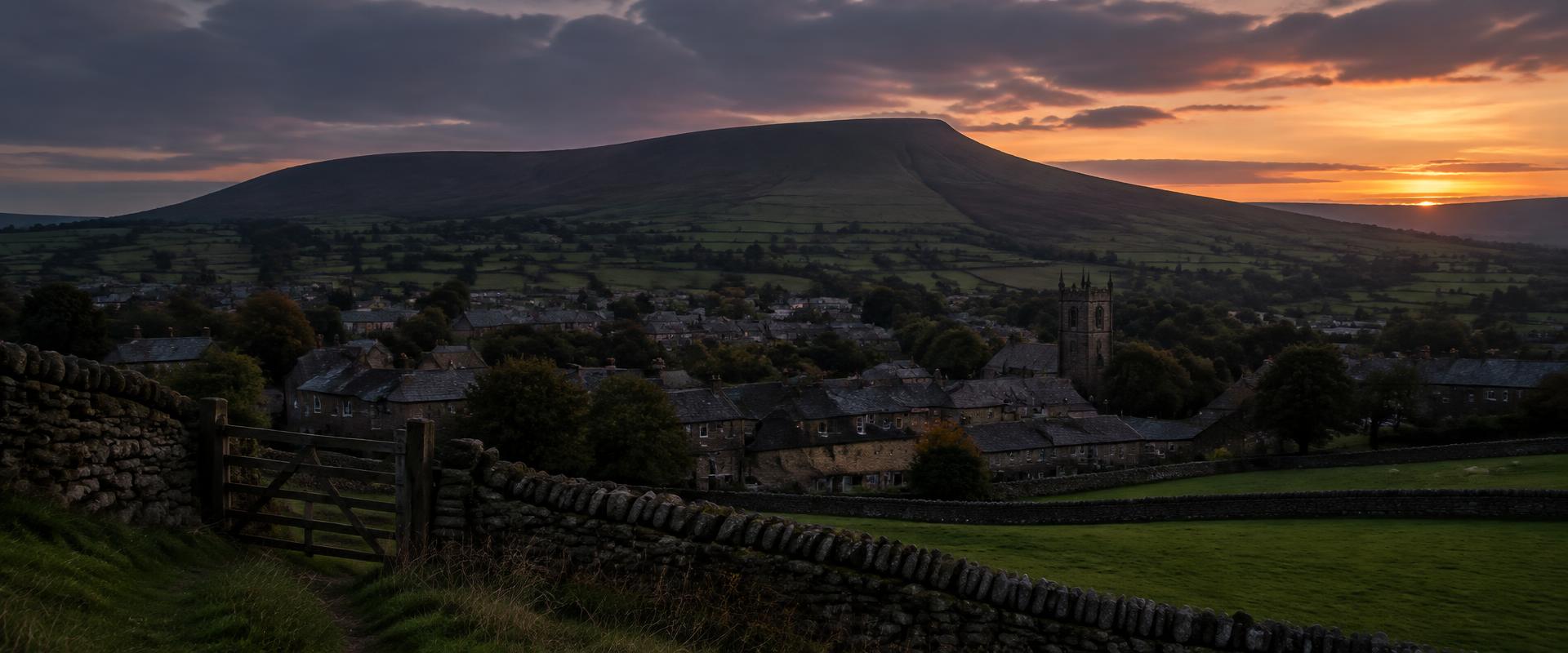
Each of these stages takes time from skilled professionals. A designer might spend several days on the visual identity of your brand. A developer might need a week or more to build a custom theme. A writer might research your industry to produce copy that speaks to your customers. When you see a very low price, it often means one or more of these stages has been skipped or heavily automated. That can work for some businesses, but it is worth knowing what you are giving up.
Templates versus custom builds
Templates are a common way to keep costs down. A pre-made design can be customised with your colours, logo and text. This approach works well for straightforward sites where you do not need unusual features. The trade-off is that many other businesses may use the same template, so your site might not stand out. Custom builds give you complete control over the look and functionality, but they require more time and therefore a higher investment.
There is also a middle ground. Some developers offer semi-custom work, starting from a template but making significant modifications to the layout and features. This can give you a distinctive site without the full cost of a from-scratch build. The key is to discuss your needs honestly and get a clear picture of what the final product will look like before you commit.
Platform choice and its effect on pricing
The technology behind a site also influences the budget. A simple site built on a platform like WordPress with a ready-made theme can be relatively inexpensive. A site built on a custom framework or a more complex content management system will cost more because the development work is greater. The platform also affects ongoing costs. Some systems have higher hosting requirements or need paid plugins for basic features like contact forms or search engine optimisation.
If you plan to sell products online, the ecommerce platform you choose matters a lot. Some platforms charge a monthly fee and take a percentage of each sale. Others have a flat monthly rate. Calculating these recurring fees into your total cost of ownership is important. A platform that seems cheap at first might become expensive as your sales grow.
Mobile responsiveness is no longer optional. Every site must work well on smartphones and tablets. Building a responsive design adds some development time, but it is a standard expectation now. If a developer quotes a very low price, check whether the design is truly responsive or just a desktop layout that shrinks down. The latter often leads to a poor user experience on mobile devices.

What to look for in a quote
When you receive a proposal, look for a detailed breakdown of what is included. A vague quote that says "website design" without listing pages, features or revisions can lead to surprises later. Ask about the number of design revisions, the expected timeline, and who provides the content. Find out whether the price includes setting up hosting, registering a domain, and configuring email accounts. Also ask about post-launch support. If something breaks after the site goes live, how long does it take to get help?
It is also worth checking whether the developer handles search engine optimisation. A well-coded site with proper headings, meta descriptions and fast loading times will perform better in search results. Some developers include basic SEO in their build, while others treat it as an extra service. Knowing this upfront helps you compare quotes fairly.
Balancing quality and budget
Spending the minimum on a website might save you money in the short term, but a poor site can cost you customers. Slow loading times, broken links, or a confusing layout drive visitors away. On the other hand, spending more than you need on features you will never use is wasteful. The goal is to find a provider who understands your business and can recommend the right level of investment.
One way to approach this is to list the essential features your site must have, then add nice-to-have elements that you can include if the budget allows. This prioritisation helps you and the developer agree on a scope that fits your finances. It also makes it easier to add features later as your business grows.
Remember that a website is an investment in your brand. It is often the first impression potential customers have of your business. A professional, well-functioning site builds trust and encourages people to get in touch or make a purchase. Skimping on quality can undermine that trust, so it is worth paying attention to what you are getting for your money.
The local angle
For businesses serving a specific area, a website can be a powerful tool to attract local customers. A local focus means you can tailor your content and search optimisation to the places you serve. This does not necessarily increase the build cost, but it does require someone who understands local search behaviour. A developer familiar with your region can offer practical advice on how to structure your site for local visibility.
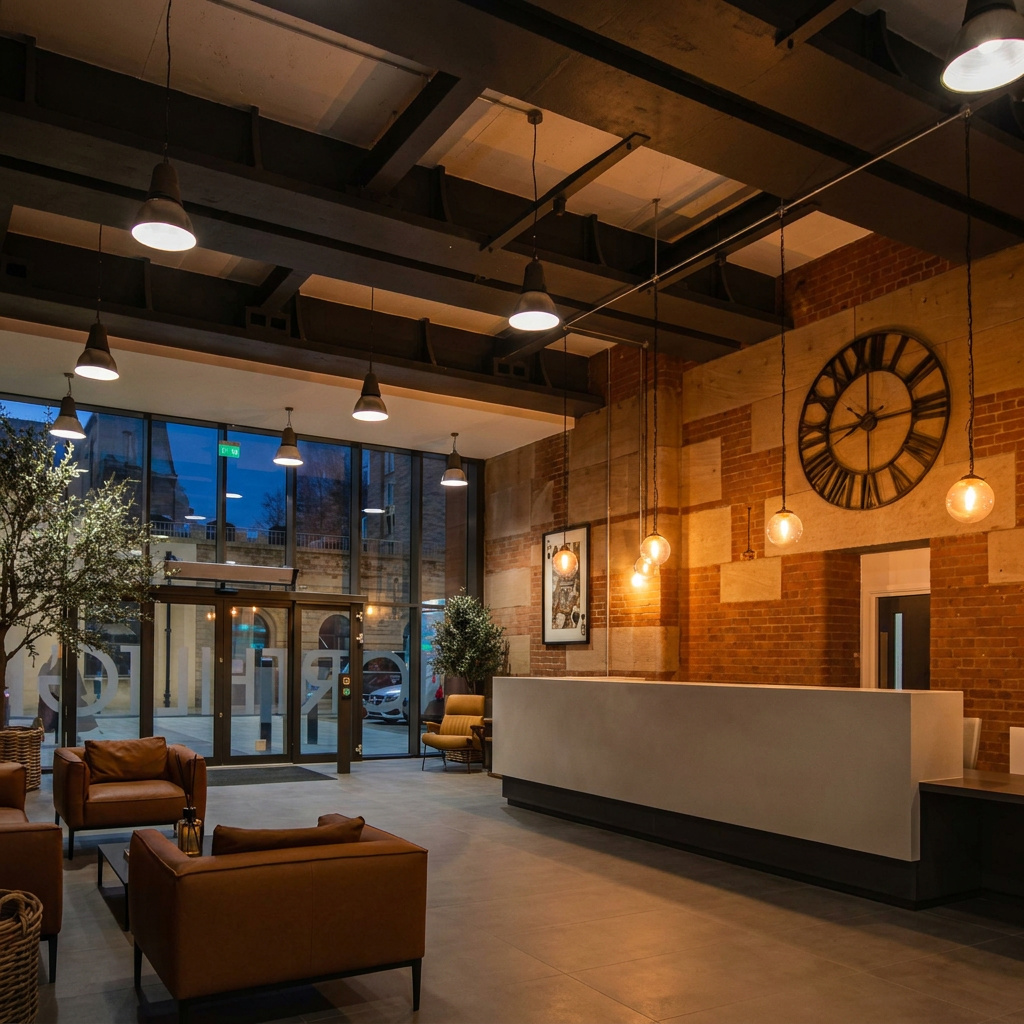
When you choose a provider close to home, you also benefit from easier communication. You can meet in person, discuss your needs face to face, and build a working relationship. That can make the whole process smoother and reduce the chances of misunderstandings about the project scope.
Understanding what drives website design costs allows you to have better conversations with potential developers. You can ask the right questions, compare proposals fairly, and invest in a site that serves your business well for years to come.
Buzz Media Marketing ltd, based at Unit 228, Northlight Industries, Pendle Rd, Brierfield, Nelson BB9 5FL, UK, and reachable on +44 1282 501535, provides affordable web design, development, hosting and ongoing website care for businesses in Burnley and surrounding Lancashire areas.